
Don't Sweat It: Your Guide to 24-Hour Heat Pump Repair in Lakeland, FL


Don't Sweat It: Your Guide to 24-Hour Heat Pump Repair in Lakeland, FL

When Every Second Counts: Understanding Heat Pump Emergencies in Florida's Heat

When your emergency heat pump repair in Lakeland, FL situation hits, you need answers fast. Here's what you should know right now:
Immediate Actions to Take:
- Turn off your system at the thermostat to prevent further damage
- Check for safety hazards like smoke, sparks, or burning smells
- Call a 24/7 HVAC professional immediately if you notice any danger signs
- Don't attempt DIY repairs on electrical or refrigerant components
Signs You Need Emergency Service:
- Complete system failure during extreme temperatures
- Burning smells or visible smoke
- Loud grinding, banging, or hissing sounds
- No airflow despite the system running
- Electrical sparks or tripped breakers
Florida homeowners know the reality: when your heat pump fails during a summer heatwave or an unexpected cold snap, comfort isn't just a luxury—it's a necessity. In Lakeland's subtropical climate, where temperatures regularly exceed 90°F and humidity makes every day feel even hotter, a broken heat pump can turn your home into an unbearable environment within hours. Research shows that 40% of HVAC emergencies occur during peak seasons, and 30% of these could have been prevented with regular maintenance. Whether it's the middle of the night or a holiday weekend, heat pump failures don't wait for convenient timing.
Need help understanding your system better? Check out our guide on signs your heat pump needs help, or if you're facing an emergency right now, contact us for immediate heat pump repair in Lakeland, FL.
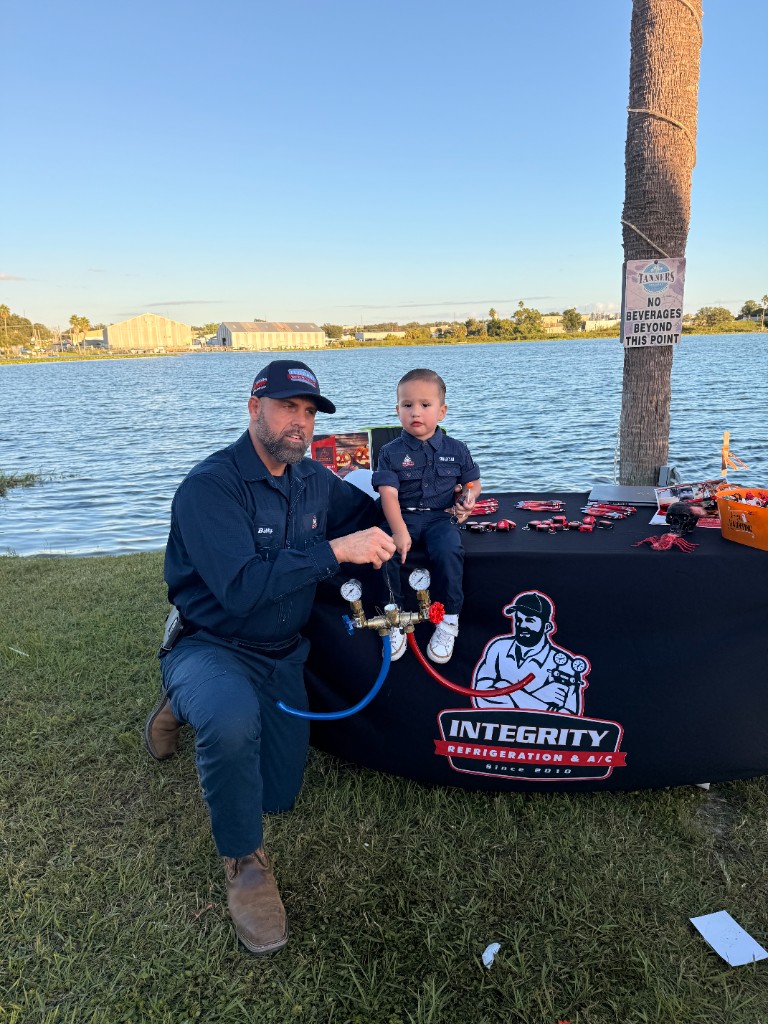
I'm Billy Gregus, owner of Integrity Refrigeration & A/C, and I've spent years helping Lakeland families through their most stressful HVAC moments, including countless emergency heat pump repair in Lakeland, FL situations. My team and I are committed to providing 24/7 service because we understand that emergencies don't follow a schedule.

What Constitutes a True Heat Pump Emergency?
When your heat pump decides to throw a tantrum, it's not always easy to tell if it's a minor hiccup or a full-blown emergency. So, what exactly constitutes an HVAC emergency specifically for heat pumps? In our experience, an HVAC emergency refers to a situation that poses an immediate threat to the functionality, safety, or comfort of your heat pump system. This demands urgent attention from professionals, especially in the unique climate of Lakeland, FL.
Common indicators that you might be facing an emergency heat pump repair in Lakeland, FL, include:
- Complete system failure: Your heat pump simply won't turn on, or it runs but produces no heating or cooling. This is particularly critical in Lakeland, where summer temperatures often exceed 90°F. During a heatwave, a family's AC unit (or heat pump acting as an AC) stopping entirely can lead to dangerously high indoor temperatures, necessitating urgent intervention to ensure safety and comfort.
- No airflow: Even if the unit seems to be running, if you're not feeling any air coming from your vents, something is seriously amiss.
- Unusual smells: A burning odor, a strong electrical smell, or a distinct rotten egg smell (which could indicate a gas leak if you have a dual-fuel system) are all red flags.
- Leaking water: While some condensation is normal, excessive water pooling around your indoor or outdoor unit could signal a serious problem, potentially leading to water damage or electrical hazards.
- Smoke or sparks: This is a clear and immediate safety hazard. If you see smoke or sparks coming from your unit, turn off the power immediately! HVAC systems can pose significant safety risks such as electrical issues or fire hazards if improperly handled.
- Strange loud noises: We're talking about more than just the usual hum. Banging, grinding, or loud screeching sounds mean internal components are struggling or failing.
- Extreme temperature discomfort: If your home's temperature is rapidly becoming unbearable, either too hot or too cold, and your heat pump isn't responding, it's an emergency. Florida's subtropical climate truly requires a home comfort system that works efficiently, and when it doesn't, we feel it quickly.
These signs indicate that your system isn't just inefficient; it's potentially dangerous or on the verge of a complete breakdown, putting your comfort and even your safety at risk.
Distinguishing Emergency Repair from Routine Service
It's important to understand the difference between a crisis that requires immediate attention and an issue that can wait for a scheduled service call. How do emergency heat pump repair services differ from routine maintenance?
| Feature | Emergency Repair | Routine Maintenance |
|---|---|---|
| Timing | Urgent, unplanned, typically 24/7 response | Scheduled, preventative, proactive, usually during business hours |
| Nature of Problem | Immediate threat to functionality, safety, or comfort; system failure, dangerous signs | Minor issues, wear and tear, efficiency degradation, general check-up |
| Goal | Restore basic function and safety as quickly as possible | Optimize performance, improve energy efficiency, extend system lifespan, prevent future breakdowns, identify small issues before they become big problems |
| Scope | Focused on diagnosing and fixing the critical issue at hand | Comprehensive inspection, cleaning, calibration, and adjustment of various components. We typically service your cooling system each spring and your heating system each fall to ensure you find small issues before they become big problems. |
A significant portion of HVAC emergencies, estimated at 30%, are due to a lack of regular maintenance, highlighting the importance of preventative care for heat pumps. Regular heat pump maintenance can help keep units in tiptop shape and avoid future repairs. If you're looking to keep your system running smoothly and prevent those unexpected breakdowns, consider our services for Heat Pump Maintenance Lakeland, FL.
Signs You Need to Call for Help Immediately
Some signs are simply too critical to ignore and demand an immediate call to our team for emergency heat pump repair in Lakeland, FL:
- Loud banging or grinding noises: These are often mechanical sounds. A loud banging could be a faulty compressor or a loose fan blade hitting something, while grinding might indicate failing motor bearings. These issues can rapidly escalate, causing more extensive and expensive damage.
- Hissing sounds: A distinct hissing sound from your heat pump, especially near the outdoor unit, often points to a refrigerant leak. Refrigerant is essential for your unit to heat and cool properly, and a leak not only impacts performance but is also an environmental concern.
- Electrical issues: Any visible sparks, burning smells from electrical components, or frequently tripped breakers related to your heat pump are serious safety concerns. Turn off the power to the unit at your circuit breaker immediately and call us.
- System won't turn on: If your heat pump is completely unresponsive, especially during extreme weather, it's an emergency. You rely on your system for comfort, and a complete shutdown leaves you vulnerable to the elements.
- Ice on coils in summer: While some frost can occur during defrost cycles, if you see significant ice accumulation on your outdoor unit's coils, especially when the system is supposed to be cooling, it's a major problem. Frozen coils can be caused by a dirty or clogged air filter or a refrigerant leak, both of which severely impair your system's ability to transfer heat.
For more insights into unusual sounds your heat pump might be making, check out our Heat Pump Noise Winter Haven Tips.
Common Issues Requiring Emergency Heat Pump Repair in Lakeland, FL
Heat pumps are marvels of modern HVAC technology, providing both heating and cooling from a single unit. However, like any complex system, they are prone to certain issues that can escalate into emergencies, particularly in Lakeland's demanding climate. What types of heat pump issues are most common during emergencies?
Here are some of the frequent culprits we encounter during emergency heat pump repair in Lakeland, FL:
- Refrigerant leaks: As mentioned, a hissing sound can indicate a leak. When refrigerant levels are low, your heat pump struggles to transfer heat, leading to reduced efficiency, insufficient heating or cooling, and potentially frozen coils.
- Electrical control failure: Heat pumps rely on a complex network of electrical components. A faulty capacitor, a tripped breaker, or a malfunctioning contactor can prevent the unit from starting, running intermittently, or even cause it to short-cycle.
- Broken reversing valve: This component is crucial for switching your heat pump between heating and cooling modes. If it's stuck or broken, your unit might only provide one function, or worse, blow cold air when you need heat, or vice versa. Troubleshooting trouble switching between heating and cooling modes can be a sign that the reversing valve needs replacement or there's an issue with the thermostat.
- Compressor issues: The compressor is the heart of your heat pump. Problems here, often indicated by banging or grinding noises, can lead to complete system failure. This is often one of the most serious repairs.
- Blower motor failure: If the indoor blower motor fails, air won't circulate through your home, regardless of whether the outdoor unit is working. This results in no airflow and extreme discomfort.
- Clogged filters: While seemingly simple, a severely clogged air filter can restrict airflow so much that it causes frozen coils, reduces system efficiency, and puts undue strain on the entire unit, leading to an emergency breakdown.
For comprehensive solutions to these and other heat pump challenges, explore our Heat Pump Service Solutions.
Problems Caused by the Lakeland Climate
Lakeland's beautiful weather comes with its own set of challenges for heat pump systems. The constant demand and specific environmental factors can accelerate wear and tear, leading to common emergency issues:
- High humidity issues: Our high humidity levels in Lakeland can lead to excessive moisture buildup on coils, increasing the risk of biological growth and potentially impacting the heat transfer process, sometimes even causing coils to freeze up.
- Strain from high summer temperatures: With average summer temperatures often exceeding 90°F, your heat pump (acting as an AC) works overtime. This continuous, heavy load puts immense strain on the compressor and other components, increasing the likelihood of overheating and premature failure.
- Increased wear during peak seasons: Homeowners in Lakeland, FL, often face HVAC emergencies during peak seasons (summer and winter), with a 40% increase in service calls during extreme weather events. This constant cycling and high demand during the hottest and coolest months can stress components to their breaking point.
- Storm damage: Florida is no stranger to severe weather. Lightning strikes can cause electrical surges, and strong winds can damage outdoor units or block airflow with debris, all leading to sudden, emergency breakdowns.
Understanding these climate-specific stressors is key to appreciating why proactive maintenance and rapid emergency response are so vital in our area. For more insights into navigating HVAC in our local environment, check out our Lakeland, FL HVAC Company Guide.
Mechanical and Electrical Failures
Beyond climate-related issues, heat pumps can also suffer from various mechanical and electrical failures that often warrant emergency attention:
- Capacitor failure: Capacitors are like batteries that provide the necessary jolt to start motors in your heat pump. If a capacitor fails, your unit might hum loudly but fail to start, or it might struggle to run efficiently.
- Thermostat malfunction: A faulty thermostat can lead to your heat pump not turning on, running constantly, or providing inaccurate temperature readings, making it impossible to maintain comfort.
- Tripped breakers: While sometimes a simple fix, a frequently tripped circuit breaker connected to your heat pump can indicate an underlying electrical issue, such as an overload or a short circuit, which requires professional diagnosis.
- Worn-out components: The average lifespan of a heat pump is 15-20 years. This means systems older than 10 years are more prone to breakdowns requiring emergency repair. Over time, components like bearings, belts, and fan blades simply wear out, leading to reduced performance, strange noises, and eventual failure.
These failures highlight the complex inner workings of heat pump systems, which often require specialized knowledge and tools to diagnose and repair. For more about common signs that indicate the need for expert repair, you can refer to our guide on Common Signs You Need to Hire an Expert for AC Repair.
What to Do When Your Heat Pump Fails: A Homeowner's Guide
When your heat pump suddenly gives up the ghost, it's easy to panic. But staying calm and following a few key steps can help ensure safety and prepare you for a smooth repair process. What should homeowners do to prepare for potential heat pump emergencies?
Safety First!
Your safety is always our top priority. If you see smoke, sparks, or smell burning, immediately turn off the power to your heat pump at the thermostat AND at the main circuit breaker. Do not attempt to investigate further if these dangerous signs are present.
Here's a quick checklist of what to do:
- Turn off the system: Go to your thermostat and switch the system from "Heat" or "Cool" to "Off." This prevents any further operation that could worsen the problem or create a safety hazard.
- Check air filters: A surprisingly common cause of heat pump issues, including frozen coils and reduced airflow, is a dirty air filter. If it's caked with dust and debris, replace it. This might resolve minor issues, but if it doesn't, it's still good information for us.
- Note the symptoms: What exactly happened? What sounds did you hear? What smells did you notice? When did it start? The more details you can provide, the easier it will be for our technicians to diagnose the problem quickly.
- Avoid DIY risks: We know the temptation to fix things yourself can be strong, but with complex systems like heat pumps, it's best to leave it to the professionals.
For additional guidance on initial steps during an emergency, our Steps to Take During an AC Repair Emergency offers helpful advice.
Why DIY Repairs Are Risky
We completely understand the desire to get your system running again quickly. However, attempting DIY heat pump repairs during an emergency comes with significant risks that often outweigh any perceived benefits. What are the risks of attempting DIY heat pump repairs during an emergency?
- Electrical shock hazard: Heat pumps operate on high voltage electricity. Without proper training and safety equipment, you risk severe electrical shock or even electrocution. HVAC systems can pose safety risks such as electrical issues if improperly handled.
- Refrigerant exposure: Refrigerant is a chemical that can be harmful if inhaled or if it comes into contact with your skin or eyes. Plus, it's illegal to release refrigerants into the atmosphere. Handling it requires specialized equipment and certification.
- Causing more damage: Heat pump systems are complex, with many interconnected components. An incorrect diagnosis or repair attempt can easily lead to further damage, turning a minor issue into a major repair. Attempting DIY repairs can exacerbate problems.
- Voiding warranty: Most heat pump manufacturers' warranties require that all repairs be performed by a licensed HVAC technician. DIY repairs can void your warranty, leaving you without coverage for future professional repairs.
- Lack of specialized tools: Professional HVAC technicians have a wide array of specialized tools for accurate diagnosis and repair, from manifold gauges for refrigerant levels to multimeters for electrical testing. You likely don't have these, making effective DIY repair nearly impossible.
HVAC experts possess the knowledge, experience, and tools to accurately diagnose and address complex issues efficiently, minimizing downtime and ensuring safety. Don't put your safety or your investment at risk. For more insights into comprehensive HVAC care, check out our Lakeland HVAC Repair Ultimate Guide.
Preparing for the Technician's Arrival
Once you've called us for emergency heat pump repair in Lakeland, FL, there are a few things you can do to help us help you faster:
- Clear a path to indoor and outdoor units: Ensure our technicians have easy and safe access to both your indoor air handler and outdoor condenser unit. Remove any obstructions, furniture, or debris.
- Secure pets: For the safety of your furry family members and our technicians, please secure any pets in a separate room or outside during our visit.
- Have system model information ready: If possible, locate your heat pump's make, model number, and serial number. This information is usually found on a sticker on the side of the outdoor unit or the indoor air handler. It helps us quickly identify parts if needed.
- Prepare a list of observed issues: Jot down everything you noticed: the exact symptoms, when they started, any sounds or smells, and what you've already tried (like changing the filter or checking the breaker). This detailed information is invaluable for our diagnostic process.
These preparatory steps, while seemingly small, contribute to a smoother and faster service call, getting your comfort restored sooner. For a broader understanding of emergency HVAC services, our Emergency HVAC Service page provides more context.
How to Find and Prepare for Reliable Heat Pump Service
When your heat pump breaks down, especially in an emergency, you want to ensure you're calling the right people. How can you find a reliable and reputable emergency heat pump repair service in Lakeland, FL, and what qualifications should you look for?
Here's a list of qualities we believe you should look for in an HVAC company for emergency heat pump repair in Lakeland, FL:
- 24/7 availability: Emergencies don't stick to business hours. A truly reliable service offers round-the-clock availability, ensuring someone is always there to take your call. 24/7 service availability is crucial for addressing urgent HVAC needs efficiently.
- Licensed and insured: Always verify that the company and its technicians are fully licensed and insured. This protects you in case of accidents or improper work.
- Positive local reviews: Check online reviews on platforms like Google. We are proud of our 4.7 Google rating based on many reviews, reflecting our commitment to customer satisfaction. Look for consistent praise regarding professionalism, punctuality, and expertise.
- NATE-certified technicians: NATE (North American Technician Excellence) certification is a gold standard in the HVAC industry, indicating that a technician has proven their knowledge and skills through rigorous testing. Our NATE-certified technicians are well-versed in servicing all major brands, ensuring high-quality service.
- Servicing all brands: A reputable company should be able to service a wide range of heat pump makes and models, not just a select few.
- Clear Communication: A good company will clearly explain the work needed and the process before they begin, ensuring there are no surprises.
Choosing a company with these qualities ensures you're getting expert care when you need it most. For more information on what to look for in an HVAC partner, our HVAC Company Lakeland, FL guide is a great resource.
Proactive Steps to Prevent Future Emergencies
An ounce of prevention is worth a pound of cure, especially with your heat pump. What should homeowners do to prepare for potential heat pump emergencies? Taking proactive steps can significantly reduce the likelihood of needing emergency heat pump repair in Lakeland, FL:
- Regular maintenance schedules: We can't stress this enough! It's ideal to service your cooling system each spring and your heating system each fall. This ensures we find small issues before they become big problems. A significant portion of HVAC emergencies, estimated at 30%, are due to a lack of regular maintenance.
- Importance of tune-ups: Annual tune-ups are not just about fixing problems; they're about optimizing performance. Our technicians clean components, check refrigerant levels, inspect electrical connections, and make minor adjustments that improve efficiency and extend your system's lifespan. Regular heat pump maintenance can help keep units in tiptop shape and avoid future repairs, ensuring a reliable heat pump that'll keep your family comfortable for years to come.
- Changing air filters: This simple task is often overlooked. We recommend changing your air filter every 1-3 months, or more frequently if you have pets or allergies. A clean filter ensures proper airflow, prevents coils from freezing, and improves indoor air quality.
- Keeping outdoor unit clear: Ensure the area around your outdoor heat pump unit is free from debris, leaves, grass clippings, and shrubs. A clear space allows for proper airflow, which is essential for efficient operation.
By following these proactive steps, you're not just preventing emergencies; you're also ensuring your heat pump runs more efficiently and extending its life. Learn more about optimizing your system with our Heat Pump Tune Up Lakeland, FL services.
Finding a Pro for Emergency Heat Pump Repair in Lakeland, FL
When the unexpected happens, finding a professional for emergency heat pump repair in Lakeland, FL quickly and efficiently is paramount. How can you find a reliable and reputable emergency heat pump repair service in Lakeland, FL, and how quickly can they respond?
Here's how to steer the search:
- Check online reviews: Start with a quick online search for "emergency heat pump repair Lakeland FL" and pay close attention to Google reviews and other local directories. Look for companies with a high average rating and a substantial number of reviews, indicating consistent customer satisfaction and reliability.
- Ask for local recommendations: Word-of-mouth is powerful. Ask friends, family, or neighbors in Lakeland who they trust for their HVAC needs. Personal recommendations often lead to reliable service providers.
- Verify credentials: Before anyone touches your heat pump, ensure they are fully licensed and insured. Don't hesitate to ask for proof.
- Inquire about response times: When you call, ask about their typical response times for emergencies. Reputable companies offering emergency services will emphasize rapid response. We understand that 24/7 service availability is crucial for addressing urgent HVAC needs efficiently, and we are available 24/7 to take your call for emergencies, aiming for prompt assistance.
The goal is to find a service that offers not just speed, but also expertise and trustworthiness, especially when you're in a stressful situation. For all your HVAC needs, including emergency repairs, our team is ready to assist. You can find more comprehensive information on our HVAC Repair Lakeland, FL page.
Conclusion
Facing an emergency heat pump repair in Lakeland, FL can be daunting. The sweltering heat or unexpected chill can quickly turn your comfortable home into an uncomfortable nightmare. But remember, you don't have to sweat it alone! Our guide has aimed to equip you with the knowledge to identify an emergency, understand common issues, and know the crucial steps to take (and avoid!) when your heat pump acts up.
The importance of professional help during these critical times cannot be overstated. Attempting DIY repairs on complex systems like heat pumps can lead to further damage, safety hazards, and potentially void your warranty. Instead, entrusting your system to licensed, NATE-certified technicians ensures a safe, efficient, and lasting repair.
By understanding the difference between routine maintenance and emergency service, taking proactive steps to care for your heat pump, and knowing how to quickly find a reliable service provider, you can minimize stress and restore your home's comfort. We pride ourselves on offering 24/7 emergency services, ensuring that when your heat pump falters, we're just a call away, ready to provide the rapid response and expert solutions you need.
For prompt and reliable service, contact our experts for Heat Pump Repair Lakeland, FL. We're here to bring you peace of mind, one perfectly functioning heat pump at a time.
Recent Posts
Service Areas
