
How to Keep Your Ductless AC Running Strong Year-Round in Florida
If you're looking for ductless AC maintenance tips for Florida homeowners, here's a quick overview of what you need to do:
- Clean indoor air filters monthly — Florida's humidity and year-round use clog filters fast.
- Flush the condensate drain every 1-3 months — Algae and slime build up quickly in humid conditions.
- Clear debris from the outdoor unit — Keep at least 18-24 inches of clearance on all sides.
- Wipe down indoor unit exteriors — Dust and moisture combine to create mold-friendly surfaces.
- Schedule professional tune-ups twice a year — Spring before peak heat, and fall before cooler weather.
- Check refrigerant lines for wear — Inspect insulation on lines every six months.
- Protect the outdoor unit before hurricane season — Shut down the system and secure the unit ahead of major storms.
Living in Florida means your air conditioning system never really gets a day off. Unlike homeowners in northern states who might run their AC for three or four months a year, Florida homeowners rely on their systems for nine to ten months — sometimes longer. That kind of relentless demand puts real stress on any cooling system, and ductless mini-splits are no exception. Add in Florida's notorious humidity, salt air along the coasts, and a hurricane season that keeps everyone on their toes, and it becomes clear that standard maintenance advice written for milder climates simply doesn't cut it here.
The good news is that ductless systems are built for efficiency and longevity — a well-maintained unit can last 15 to 20 years. But that lifespan depends heavily on how well you take care of it, especially in a demanding climate like Central Florida's. Skipping maintenance doesn't just shorten your system's life; it quietly drives up your energy bills and sets the stage for a breakdown on the hottest day of the year.
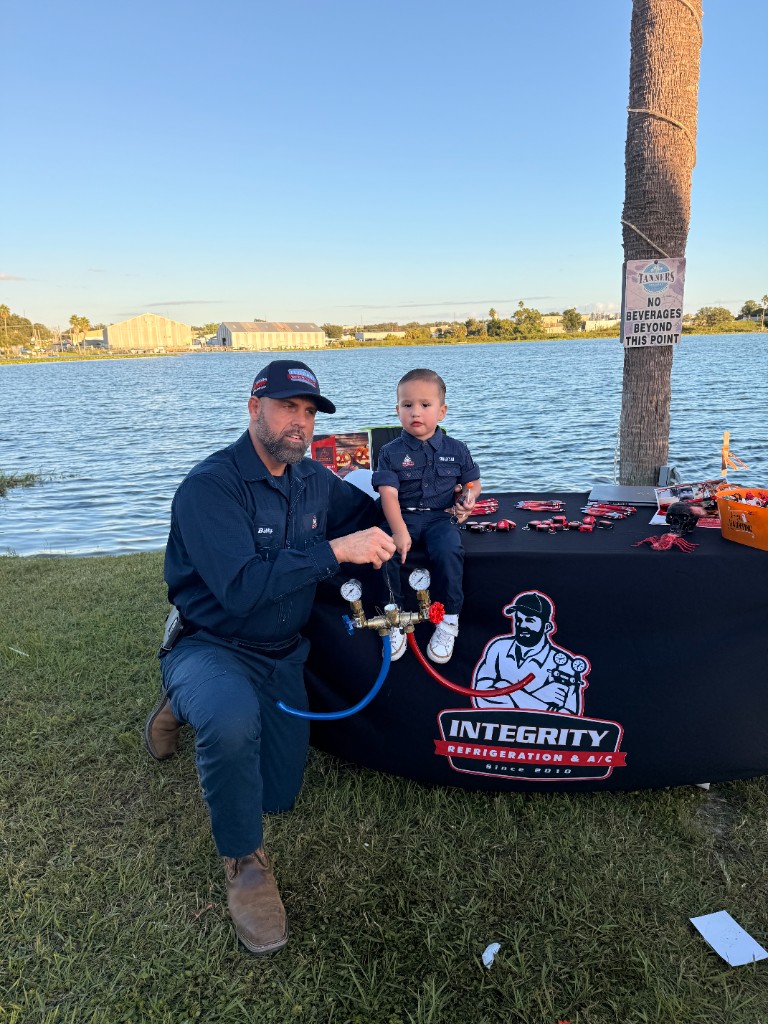
I'm Billy Gregus, owner of Integrity Refrigeration & AC, and with nearly two decades of hands-on experience keeping homes cool across Polk County, I've seen what Florida's climate does to ductless systems when ductless AC maintenance tips for Florida homeowners are ignored. In this guide, I'll walk you through exactly what your mini-split needs to stay efficient, reliable, and ready for whatever Florida's weather throws at it.

Why Florida Humidity Demands Unique Ductless AC Maintenance Tips for Florida Homeowners

In drier parts of the country, a mini-split system might get away with a single annual checkup and a casual filter cleaning every few months. But here in cities like Lakeland, Davenport, and Winter Haven, our relative humidity routinely climbs to 70% or 80%. This massive volume of airborne moisture changes the rules of the game.
When your ductless system cools your home, it performs two main jobs: lowering the air temperature and removing latent heat (moisture) from the air. Because inverter-driven mini-splits are designed to run continuously at variable speeds, they are incredibly effective at pulling moisture out of your living spaces. This is one of the premier Ductless AC Benefits for Florida Homeowners.
However, this constant dehumidification means your indoor evaporator coils are almost always wet. In our warm climate, that damp environment inside the dark indoor air handler is the perfect breeding ground for mold, mildew, and biological slime. If you don't adjust your care routine, this moisture will quickly overwhelm your system.
Furthermore, our proximity to coastal winds means salt air can drift far inland, accelerating the corrosion of sensitive outdoor aluminum coils. When you combine high humidity, salt-tinged air, and near year-round runtimes, a standard maintenance schedule is simply not enough. To protect your investment, you must follow a specialized schedule tailored to our local environment. For a deeper look at how this moisture affects your system's components, check out our guide on How Florida Humidity Affects Your Ductless Maintenance Schedule.
Essential DIY Ductless AC Maintenance Tips for Florida Homeowners
While some advanced technical tasks require specialized tools, there are several straightforward DIY tasks you can perform to keep your system breathing easily. Taking just a few minutes each month to care for your system will prevent airflow restrictions and protect your compressor from unnecessary strain.
Here are the most critical DIY steps you should take:
- Clean the Reusable Filters Monthly: Open the front panel of your indoor air handler, gently slide out the mesh filters, and check for dust buildup. In Florida, we recommend checking these filters every 2 to 4 weeks, especially during peak summer or high-pollen seasons (which run from February through June in our area). Rinse them in lukewarm water, let them air dry completely, and slide them back in.
- Maintain Outdoor Clearance: Walk outside and inspect your condenser unit. Florida's lush landscaping grows incredibly fast. Ensure there is at least 18 to 24 inches of clear space around the outdoor unit. Trim back any bushes, vines, or tall grass that could block airflow.
- Keep the Cabinets Clean: Wipe down the exterior of your indoor air handlers with a dry microfiber cloth to prevent dust from mixing with airborne moisture and forming a sticky grime. You can also gently rinse the outdoor unit's coils with a garden hose on a low-pressure setting to wash away dirt, pollen, and salt deposits.
- Flush the Condensate Drain: To prevent algae clogs, pour a cup of distilled white vinegar down your indoor unit's drain line every 1 to 3 months. This simple step keeps biological growth from turning into thick slime that blocks your drainage.
To help you stay on track, here is a quick reference table comparing standard maintenance frequencies in drier climates versus what we recommend for our local Central Florida environment:
| Maintenance Task | Frequency in Drier Climates | Recommended Florida Frequency |
|---|---|---|
| Filter Cleaning | Every 2–3 months | Every 2–4 weeks (Check & clean monthly) |
| Condensate Drain Check | Annually | Every 1–3 months (Vinegar flush) |
| Outdoor Debris Clearing | Twice a year | Monthly (Due to rapid plant growth) |
| Coil Inspection | Annually | Every season / quarterly |
| Professional Tune-Up | Once per year | Twice per year (Spring & Fall) |
By staying on top of these simple tasks, you can easily manage the day-to-day demands placed on your system. For a complete overview of basic care, explore our comprehensive guide on Ductless AC Maintenance.
How Regular Upkeep Prevents Ductless AC Temperature Inconsistencies
Have you ever noticed that one corner of your room feels like an icebox while another feels warm and sticky? This common issue is usually a direct result of neglected maintenance.
Ductless mini-splits rely on precise airflow to distribute conditioned air evenly throughout a room. When dust, pet dander, and mold accumulate on the indoor air handler's filters or blower wheel, it chokes the airflow. The system will struggle to push the cool air across the entire room, leading to distinct hot spots.
Additionally, each indoor unit contains sensitive temperature sensors (thermistors) that monitor the room's air. If these sensors become coated in dust or grime, they cannot accurately read the ambient temperature. This causes the unit to cycle off too early or run too long, resulting in frustrating Ductless AC Temperature Inconsistencies.
When your system is forced to work harder to overcome these blockages and sensor errors, it consumes significantly more power. Keeping these components clean ensures that your system operates at peak efficiency, keeping your utility bills under control. To learn more about how system cleanliness directly translates to dollars saved on your electric bill, read about Energy Efficiency and Mini Split Maintenance: How They Are Connected.
Preparing Your Mini-Split for Extreme Weather and Hurricane Season
In Polk County, we don't just deal with heat; we also have to contend with intense summer thunderstorms, lightning strikes, and the occasional hurricane. Preparing your ductless system for extreme weather is a vital part of protecting your home investment.
Because Florida is the lightning capital of the United States, electrical surges are a constant threat to your system's sensitive inverter circuit boards. Standard surge protectors aren't always enough. We highly recommend having a licensed technician install a dedicated, whole-home surge protector at your main electrical panel or directly at the outdoor condenser's disconnect box.
When a major tropical storm or hurricane is projected to impact our area (covering communities from Bartow to Davenport and Haines City), take these essential steps to protect your system:
- Turn Off the Power Completely: Before the storm arrives, shut down your ductless system using your remote control, and then flip the dedicated circuit breakers in your main electrical panel to the "OFF" position. This prevents electrical damage from power surges and grid fluctuations during the storm.
- Secure the Outdoor Unit: Ensure your outdoor condenser is bolted securely to its concrete or composite pad. If you live in high-wind areas, double-check that your hurricane straps or tie-downs are tight and free of rust.
- Clear Loose Items: Bring in all patio furniture, potted plants, toys, and loose yard debris. In high winds, these items can easily become airborne projectiles that can crush your condenser's delicate aluminum fins or sever the insulated refrigerant lines.
- Inspect After the Storm: Once the storm passes, do not turn the power back on immediately. Walk outside and inspect the unit for standing water, fallen tree branches, or physical damage. If the outdoor unit was submerged in floodwaters, keep the breaker off and call us immediately for a safety inspection.
When to Call a Professional for Ductless AC Service
While monthly filter cleanings and clearing weeds are great DIY projects, a ductless mini-split is a highly sophisticated piece of technology. There are several critical warning signs that indicate your system needs immediate professional attention:
- Strange Noises: If you hear rattling, grinding, clicking, or squealing from either your indoor or outdoor units, something is wrong. For a breakdown of what these sounds mean, see Why Your Ductless AC Makes Noises.
- Musty Odors: A persistent dirty-sock smell coming from your vents indicates mold or mildew growth deep inside the blower wheel or evaporator coil that basic cleaning cannot reach.
- Water Dripping from the Indoor Unit: If water is pooling on your wall or dripping from the bottom of the indoor air handler, your condensate drain is completely clogged and needs to be professionally cleared before it causes major water damage to your drywall.
- Weak Airflow or Warm Air: If the air coming out feels weak or warm even when the thermostat is set to cool, you could be dealing with a refrigerant leak, a failing compressor, or a faulty control board.
For these complex issues, you should always trust a licensed technician. To schedule an inspection or to learn more about what our diagnostic visits entail, visit our Ductless AC Service page.
Professional Ductless AC Maintenance Tips for Florida Homeowners to Maximize Lifespan
To get the full 15 to 20 years of service out of your ductless mini-split, scheduling a professional tune-up twice a year (once in the spring and once in the fall) is essential.
During a professional maintenance visit, our certified technicians perform a comprehensive checklist of tasks that go far beyond standard DIY cleaning:
- Deep Chemical Coil Cleaning: We use specialized, self-rinsing coil cleaners to safely dissolve deeply embedded grime, mold, and biofilm from the indoor evaporator coils and outdoor condenser coils without damaging the delicate aluminum fins.
- Refrigerant Level and Leak Checks: We measure the system's operating pressures to ensure your refrigerant charge is exact. Low refrigerant levels degrade cooling performance, increase energy consumption, and can cause the compressor to overheat and fail prematurely.
- Electrical Inspection and Tightening: We inspect all wiring harnesses, tighten loose electrical connections, and test the capacitors and contactors to prevent unexpected electrical failures.
- Blower Wheel and Fan Balancing: We clean the indoor blower wheel (which frequently accumulates heavy mold and dust in Florida) and ensure the fan operates smoothly without wobbling.
If your system is nearing the end of its lifespan and constantly requiring repairs, it may be time to discuss upgrading to a modern, high-efficiency system. Our team can guide you through the process of selecting the perfect unit for your home's unique layout. Explore your options on our Ductless AC Replacement Winter Haven FL page.
Frequently Asked Questions about Ductless AC Maintenance
How often should I clean my ductless AC filters in Florida?
In Florida's humid climate, you should check your filters every 2 weeks and clean them at least once a month. If you have pets, indoor smokers, or suffer from seasonal allergies, you may need to clean them every 2 to 3 weeks to maintain healthy indoor air quality and prevent airflow restrictions.
Can a clogged condensate drain cause my ductless system to shut down?
Yes. Most modern ductless indoor units are equipped with a built-in safety float switch. If the condensate drain line becomes clogged with algae or biological slime, the drain pan will fill with water. To prevent water from overflowing and damaging your drywall, the float switch will trigger and automatically shut down the entire system. Regular vinegar flushes can prevent this from happening.
How does regular maintenance reduce my monthly energy bills?
When your filters and coils are clean, air flows freely through the system, and heat transfer occurs effortlessly. This allows your inverter-driven compressor to run at its lowest, most efficient speeds. According to industry data, routine maintenance can keep your system running at peak performance, saving you up to 15% on your monthly energy bills compared to a neglected system.
Conclusion
At Integrity Refrigeration & AC, we are proud to be your local, family-owned "Climate Commanders." Serving Winter Haven, Lakeland, Auburndale, Davenport, and the surrounding Polk County communities since 2008, we hold an A+ rating with the BBB. What truly sets us apart is our dual expertise in both residential HVAC and commercial refrigeration, allowing us to bring a higher level of technical precision to every single job.
We understand that keeping your home comfortable in Florida is a necessity, not a luxury. That's why we offer transparent pricing with no hidden fees, a first-time fix reliability guarantee, and flexible financing options to fit any budget. We also offer great money-saving promotions, including 10% off APCO-X Indoor Air Quality systems and $500 off new system installations.
Don't wait for the summer heat to catch you off guard. Protect your comfort, lower your energy bills, and extend your system's lifespan by scheduling your professional tune-up today. Visit our Ductless AC Maintenance Winter Haven FL page to book your appointment online, or give our friendly team a call!