
The Hidden Toll of a Brutal Summer on Your Commercial RTUs
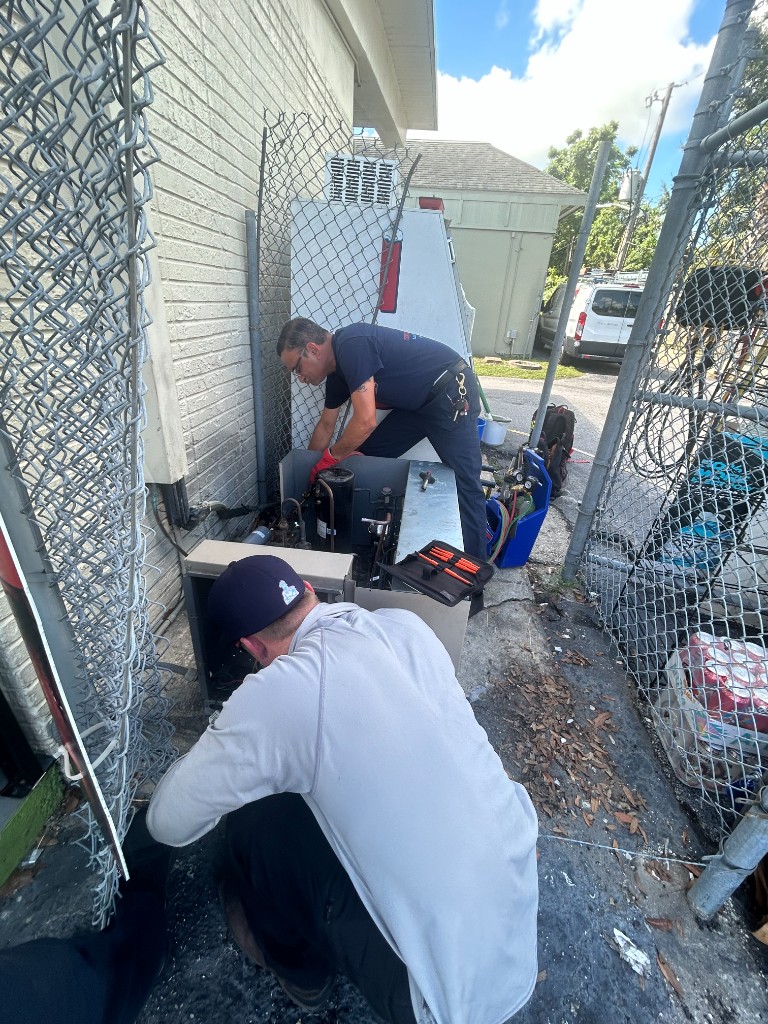
The relentless heat of a Florida summer is finally beginning to show signs of breaking, but your commercial rooftop units (RTUs) have just endured months of running at absolute maximum capacity. What we look for during an end-of-summer commercial HVAC audit goes far beyond a quick glance at the thermostat or a simple filter swap. At Integrity Refrigeration & AC, we know firsthand that it requires a rigorous, deeply technical evaluation of the hidden toll those uninterrupted 90-plus degree days have taken on your Winter Haven facility's critical infrastructure.
During the September post-summer transition, our technicians consistently find that commercial systems are suffering from severe heat-stress damage. Components like blower belts, electrical contactors, and condenser coils have been pushed to their absolute limits. If facility managers do not proactively identify and replace these degraded parts now, they risk catastrophic commercial downtime when the equipment finally gives out. In our commercial audits, we don't just guess at system health; we utilize a precise, proven methodology to hunt down this hidden damage before it disrupts your operations.
When you partner with our team for professional Air Conditioning Services, we prioritize finding and resolving these hidden vulnerabilities so your business never misses a beat.
Why September is the Critical Window for Commercial Intervention
It is a well-documented industry fact that commercial HVAC systems account for approximately 40% of a typical building's total energy consumption. When a system is struggling with worn parts or degraded coils, that inefficiency costs your business money every single day. In our years of servicing Winter Haven FL commercial properties, we've seen how running at 24/7 maximum capacity takes a massive, cumulative toll, making early fall a critical period for intervention.
Many facility managers make the mistake of waiting until late fall or even early winter to schedule a tune-up. However, shifting your perspective to view September as an urgent intervention period is one of the most effective ways to protect your bottom line. The equipment has just survived its most grueling operational phase of the year. Allowing heat-stressed components to continue running into the fall guarantees that minor wear and tear will escalate into major mechanical failures.
By executing a thorough AC Inspection and Testing protocol right now, proactive preventive maintenance can reduce unexpected breakdowns by up to 70%. We use this critical window to reset your system's baseline, ensuring that it operates at peak efficiency and reliability for the remainder of the year.
The High Cost of Delayed Maintenance
To understand why this timing matters, we have to look at how specific components degrade over time. The longer a compromised part remains in the system, the more strain it places on surrounding components. A minor issue in August becomes a major liability by October.
| Component | Summer Wear Condition | Risk if Left Unchecked in Fall |
|---|---|---|
| Blower Belts | Stretched, glazed, and micro-cracked from heat | Snapping during operation, causing total airflow loss and frozen coils |
| Electrical Contactors | Pitted surfaces and carbon buildup from constant cycling | Welding shut, resulting in catastrophic compressor burnout |
| Condenser Coils | Coated in debris, biological growth, and oxidation | Severe loss of heat transfer, driving up energy bills and system strain |
| Drain Lines | Partially clogged with algae and thick condensate sludge | Overflowing drain pans leading to interior commercial water damage |
Hunting for Contactor Pitting and Electrical Fatigue
One of the most critical phases of our September checklist focuses on the electrical heartbeat of your RTUs. Contactors are heavy-duty electrical switches responsible for sending high-voltage power to your compressor and condenser fan motors. Throughout a brutal Florida summer, these switches open and close thousands of times under immense electrical load and extreme ambient heat.
This constant, heavy cycling causes electrical arcing, which literally burns away the metal surfaces of the contactor pads. When the Integrity Refrigeration & AC team performs end-of-summer audits, we specifically look for contactor pitting and voltage irregularities. If a contactor becomes severely pitted, the electrical connection becomes unstable. Even worse, the intense heat generated by a poor connection can cause the contactor to weld shut. If a contactor welds shut, the compressor will continue to run non-stop until it completely burns itself out—transforming a minor maintenance check into a massive, business-halting repair bill.
Generic inspections often overlook this component entirely, but we view it as a vital precursor to catastrophic failure. Knowing exactly how to spot a failing contactor is a specialized skill that separates a true commercial audit from a basic visual walkthrough.
Measuring Voltage Irregularities
Visual inspection is only the first step; our technicians also rely on precise diagnostic tools to assess electrical health.
- Precision multimeter testing: We measure the exact voltage drop across the contactor pads while the system is running under load.
- Identifying resistance: A significant voltage drop indicates high resistance, meaning the contactor is failing internally even if it looks acceptable from the outside.
- Protecting the compressor: Consistent, clean power delivery is absolutely crucial for commercial compressor health. Voltage imbalances force the compressor to work harder, generating excess heat that degrades its internal windings.
Analyzing Belt Tension and Mechanical Wear
The mechanical inspection phase of our audit is designed to catch the physical degradation that occurs when heavy moving parts operate continuously for months. In commercial RTUs, blower belts are the unsung heroes that deliver conditioned air into your building. However, they are made of rubber compounds that are highly susceptible to thermal degradation.
Just last fall, our commercial crew responded to a Winter Haven retail space that lost their airflow entirely during an unseasonably warm September afternoon. While we were able to dispatch a team immediately and replace the necessary components so they could resume operations by the end of the day, that kind of sudden, total failure is exactly what proactive mechanical checks are designed to prevent. When a belt snaps, your facility experiences an immediate and total loss of airflow, leading to instant business interruption.
Our mechanical wear analysis follows a strict, numbered protocol to ensure nothing is missed:
- Visual inspection for glazing and cracking: We examine the entire length of the belt. Heat causes the rubber to harden and glaze, which leads to slipping on the pulleys. Micro-cracks indicate the belt is brittle and nearing the point of failure.
- Physical tension testing: Months of continuous operation naturally cause belts to stretch. We measure the deflection of the belt to ensure it remains within the manufacturer's precise tension specifications. A loose belt reduces airflow and efficiency, while an overtightened belt destroys motor bearings.
- Pulley and sheave alignment: We check the metal pulleys for excessive wear grooves and ensure they are perfectly aligned. Misalignment will shred a brand-new belt in a matter of weeks.
- Bearing lubrication and acoustic checks: We listen for the telltale grinding or squealing noises that indicate bearing fatigue, applying specialized commercial lubricants where required.
Replacing an inexpensive, worn belt during a scheduled September audit takes only minutes, but it prevents extensive lost revenue and emergency service fees caused by a sudden breakdown.
Evaluating Coil Degradation and Condensate Drain Health
Florida's extreme summer climate presents a unique challenge for commercial HVAC systems: relentless, suffocating humidity. This high moisture content in the air means your commercial units are pulling gallons of water out of your building every single day. By the time September arrives, the systems responsible for managing that moisture are often pushed to the brink.
During our audit, our licensed technicians perform a comprehensive evaluation of both the evaporator and condenser coils. We look closely for signs of galvanic corrosion, oxidation, and impacted debris that block heat transfer. When coils are dirty, the system has to run significantly longer to achieve the same cooling effect, driving up your energy consumption. In fact, restoring coils to their factory-clean state can yield efficiency gains of 15-20%.
Equally critical is the health of the condensate management system. Excessive condensation over the summer creates the perfect dark, damp environment for biological growth in the drain pans. By early fall, we frequently find drain lines that are heavily restricted by thick algae and sludge. If left untreated, these lines will eventually back up, causing the drain pan to overflow and sending water pouring into your commercial space.
Our coil and moisture management checklist includes:
- Deep visual inspection: Checking for bent fins, corrosion, and impacted dirt deep within the coil structure.
- Biological growth assessment: Examining the primary and secondary drain pans for algae, mold, and standing water.
- Drain line clearing: Flushing the condensate lines under pressure to remove blockages and treating the pans to inhibit future growth.
- Refrigerant charge verification: Ensuring the system has the exact amount of refrigerant required for optimal heat transfer across the coils.
Addressing these issues through proactive Winter Haven AC maintenance protects your property from costly water damage while significantly lowering your monthly utility overhead.

How Our Commercial Audit Goes Beyond a Basic Filter Change
There is a dangerous misconception in the commercial property sector that HVAC maintenance simply involves sending someone up to the roof to swap out air filters and hose down the outside of the unit. While clean filters are certainly important for airflow, a generic walkthrough does absolutely nothing to protect your business from the deep, mechanical, and electrical wear we've discussed.
Commercial RTUs are highly complex pieces of machinery that operate at voltages and pressures far exceeding residential equipment. They require specialized, licensed expertise to diagnose safely and accurately. In our years of experience throughout Polk County, we've built our methodology entirely around hunting for specific heat-stress damage. We know exactly where these systems fail after a brutal summer, and we know exactly what warning signs to look for before that failure occurs.
This is where Integrity Refrigeration & AC's rigorous, commercial-specific September checklist truly stands apart. We go far beyond basic residential-style checks to deliver a comprehensive health assessment of your facility's infrastructure. By choosing a deeply technical audit over a superficial inspection, you are actively protecting your business from the chaos of emergency AC repair during peak operational hours.
Finding a pitted contactor or a frayed belt today is a minor, manageable maintenance task. Finding it next month, after it has destroyed your compressor or shut down your airflow, is an operational disaster.
Frequently Asked Questions About Commercial HVAC Audits
What is included in a commercial HVAC inspection?
A true commercial HVAC inspection is a comprehensive evaluation of the system's mechanical, electrical, and airflow components. It includes deep checks of electrical parts like contactors, capacitors, and relays for heat damage and voltage irregularities. Mechanically, it involves inspecting blower belts, testing bearing lubrication, and verifying the integrity of all moving parts. Additionally, a thorough inspection includes deep coil cleaning, clearing of condensate drain lines, and verifying that the system's refrigerant charge is perfectly balanced.
How do you maintain a commercial HVAC system?
Maintaining a commercial HVAC system requires a combination of routine, in-house tasks and highly specialized professional interventions. Facility managers should ensure that routine filter changes are completed monthly or quarterly, depending on the building's air quality and operational hours. Beyond filters, the system requires bi-annual deep audits—like our rigorous end-of-summer inspection—performed by a licensed professional. It is also vital to monitor your commercial energy bills closely, as sudden spikes in consumption are often the first indicator of underlying system inefficiency or failing components.
How often should commercial HVAC be serviced?
At Integrity Refrigeration & AC, we recommend commercial HVAC systems be professionally serviced at least twice a year to ensure reliability and efficiency. These comprehensive audits should ideally be scheduled during the transitional seasons—once in the spring before the intense summer heat arrives, and once in September to assess and repair the toll taken by the summer cooling season. Depending on the facility's operational demands, such as 24/7 manufacturing plants or high-occupancy retail spaces, more frequent checks of belts and filters may be necessary to prevent unexpected downtime.
What happens if a contactor fails on an RTU?
If a contactor fails on a commercial RTU, the consequences can range from a simple loss of cooling to catastrophic equipment damage. If the contactor fails in the "open" position, the system will simply fail to start entirely, leaving your building without air conditioning. However, if the electrical arcing causes the contactor to weld shut in the "closed" position, the compressor will continue to run continuously, even when the thermostat tells it to stop. This inevitably leads to a massive electrical failure and a burned-out compressor, requiring major, costly component replacement.
Why is September the best time for a commercial audit in Florida?
September is the optimal time for a commercial audit in Florida because the equipment has just survived its most grueling period of peak summer stress. Months of running at maximum capacity in high heat and extreme humidity leave belts stretched, coils dirty, and electrical parts fatigued. Intervening in September allows our technicians to replace these worn parts before they fail completely. It resets the system's efficiency and reliability just in time for potentially cooler fall weather, or to handle the continued high-humidity days without suffering a sudden breakdown.
Protect Your Business from Unplanned Fall Downtime
A concrete, professional breakdown of your RTU's health proves the absolute necessity of specialized preventative maintenance. The heat of the summer has already done its damage; the only question now is whether you will uncover that damage on your own terms, or wait for the system to fail when you need it most.
Remind yourself that replacing a worn blower belt or a pitted electrical contactor today is far better than losing an entire day of business tomorrow due to a sudden equipment failure. Our end-of-summer commercial audit is designed to give you total confidence in your facility's infrastructure. Do not let the hidden wear and tear of the last few months turn into a costly autumn surprise. Reach out to the team at Integrity Refrigeration & AC to schedule your commercial HVAC audit before the fall season officially arrives, and keep your business running smoothly, efficiently, and uninterrupted.