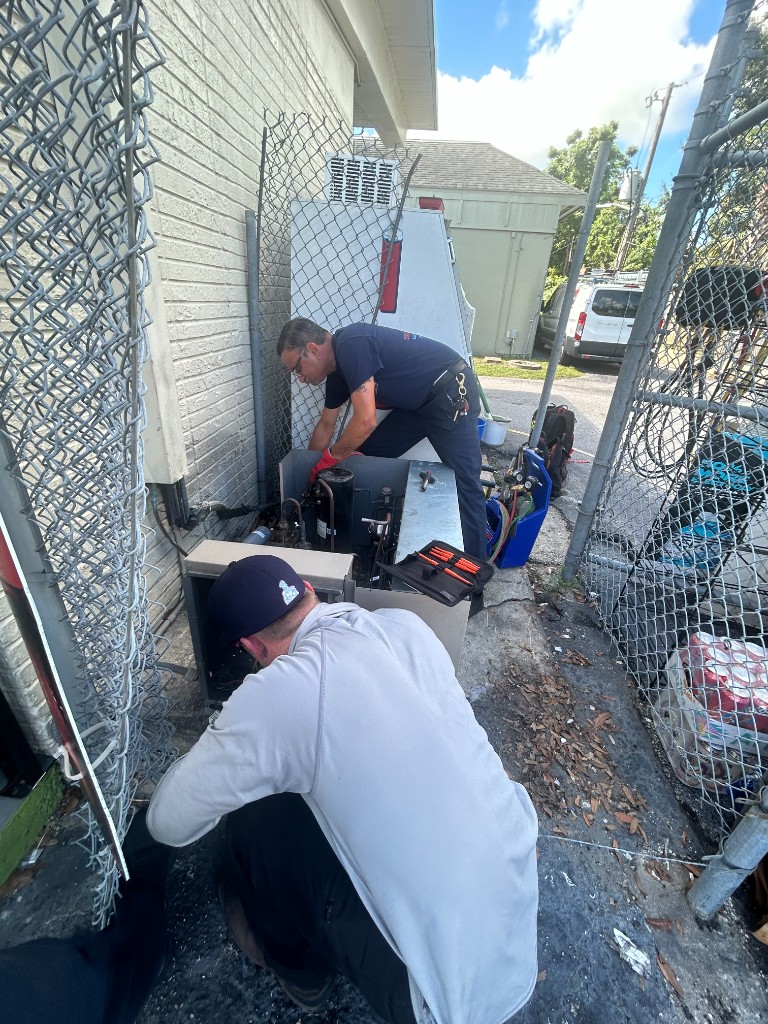

The High Stakes of Holiday Kitchen Prep
Thanksgiving prep week is just around the corner, and your commercial kitchen is about to shift into high gear. Between massive orders of turkey, bulk dairy deliveries, and endless crates of fresh produce, your walk-in cooler is the beating heart of your holiday operation. When you schedule proper restaurant walk in cooler maintenance before the rush, you protect that vital inventory. However, when proactive care is skipped, you set the stage for a catastrophic equipment failure right when you need your system the most.
Commercial kitchens face extreme operational stress during the final weeks of November. Your staff is working longer hours, the cooler doors are constantly swinging open, and the physical volume of food being stored pushes your equipment to its absolute limits. This compounding stress exposes any deferred maintenance on your critical cooling equipment. A minor inefficiency that goes unnoticed in September can quickly escalate into a complete system shutdown under the heavy load of holiday prep.
Proactive intervention is the only reliable safeguard against massive inventory loss. By the time a walk-in cooler starts dropping temperature mid-service, the damage is often already done. You are left scrambling to save your stock while waiting for emergency service. If you want to avoid this chaos, building a foundation of reliable commercial cooling and air conditioning care is essential. While reliable emergency refrigeration and AC repair is always an option when things go wrong, preventing the breakdown in the first place is the smartest business decision you can make.
The Hidden Climate Challenge for Florida Restaurants in November
A common myth in the restaurant industry is that fall weather provides natural relief for commercial refrigeration systems. While that might be true in northern states, the reality for a Winter Haven FL kitchen is very different. Florida's warm November weather maintains a heavy heat load on your outdoor condensing units, forcing your system to work incredibly hard even late in the year.
The Double Heat Load
Your walk-in cooler is fighting a battle on two fronts. Outside, average high temperatures often remain in the upper 70s to low 80s. The condensing unit on your roof or behind your building is still baking in the sun, struggling to reject heat into an already warm environment. Inside, the situation is even more intense. During peak holiday prep, your ovens, fryers, and stoves are running non-stop, generating massive amounts of indoor kitchen heat.
Every time a staff member opens the cooler door, a wave of that 90-degree kitchen air rushes into the box. The refrigeration system must immediately kick into overdrive to pull that heat out and transfer it outside. Because the outdoor ambient temperature is still warm, the compressor has to work twice as hard to complete the heat transfer cycle. This simultaneous indoor and outdoor heat stress is exactly why preventative care is so critical for Florida restaurants during the fall season.
How Inventory Overload Strangles Airflow
During Thanksgiving prep week, the physical volume of food storage creates a unique mechanical strain on your refrigeration system. A walk-in cooler relies on precise airflow mechanics to maintain safe temperatures. The evaporator fans blow cold supply air across the top of the box, which then sinks to the floor, absorbs heat from the product, and is pulled back into the return air intake to be cooled again.
The Danger of Dead Zones
When you pack the cooler to maximum capacity, you physically disrupt this vital circulation. Stacking boxes of produce floor-to-ceiling or shoving sheet pans directly in front of the evaporator fans restricts the air from moving freely. This creates warm "dead zones" inside the box where cold air simply cannot reach.
The FDA Food Code Requirements: Health regulations require you to maintain strict safe temperature zones to prevent bacterial growth. When airflow is blocked, the ambient air near the door might read at a safe temperature, but the product trapped in a dead zone could be dangerously warm.
Furthermore, restricted airflow forces the compressor to run continuously. The thermostat senses that parts of the box are still too warm, so it demands more cooling. The system works endlessly trying to push air through a wall of inventory, causing severe mechanical fatigue and rapid temperature fluctuations that put your entire stock at risk.
Critical Component 1: Dirty Condenser Coils
The number one cause of walk-in cooler failure under heavy load is a fouled condensing unit. The condenser coils are responsible for releasing the heat absorbed from inside your cooler out into the environment. When these coils are compromised, the entire refrigeration cycle breaks down, which is a common issue we see in high-volume Winter Haven FL restaurants.
The Chain Reaction of Failure
Grease, dust, and environmental debris naturally accumulate on the outdoor coils over time. In a restaurant setting, airborne cooking grease acts like a magnet for dirt, creating a thick, insulating blanket over the metal fins. Here is exactly how this leads to system failure:
- Trapped Heat: The layer of grime prevents the hot refrigerant inside the coils from releasing its heat into the outside air.
- Elevated Pressures: Because the heat cannot escape, the pressure inside the refrigeration lines spikes dramatically.
- Increased Energy Consumption: The compressor has to work much harder and run much longer to achieve the same amount of cooling, driving up your utility bills.
- Thermal Overload: Eventually, the compressor overheats and trips its internal safety switches, shutting the entire system down mid-service.
Cleaning commercial condenser coils requires heavy-duty professional tools and specialized chemical foaming agents to break down baked-on grease. This is never a DIY job for kitchen staff. Attempting to pressure-wash these delicate fins without proper training can bend them flat, permanently destroying the coil's ability to transfer heat.
Critical Component 2: Compromised Door Gaskets and Seals
Physical wear and tear on your cooler doors is another major culprit behind holiday breakdowns. During Thanksgiving prep week, that heavy door is opened and slammed shut hundreds of times a day. This constant physical strain takes a heavy toll on the rubber door gaskets and seals.
The Moisture Invasion: When gaskets tear, harden, or lose their magnetic grip, they create tiny gaps between the door and the frame. These gaps allow warm, humid kitchen air to constantly infiltrate the cooler. In a commercial kitchen, humidity is high due to boiling water, dishwashers, and active cooking.
When that heavy moisture hits the sub-40 degree environment of your walk-in, it instantly condenses and turns to ice on your evaporator coils. A solid block of ice restricts airflow completely, causing immediate temperature loss in the box. While replacing these seals requires professional installation to ensure an airtight fit, your kitchen staff can perform simple visual inspections. If you see condensation forming on the outside of the door frame, or if you can slide a piece of paper through the closed seal, your gaskets are failing and need immediate attention.

Proactive Audits vs. Emergency Breakdowns
There is a massive operational difference between a controlled maintenance visit and the chaos of a mid-service breakdown. While our team has the capacity for rapid emergency response throughout Winter Haven FL, relying on emergency service as your primary strategy is a dangerous gamble. Proactive maintenance audits are the definitive strategy to save your restaurant from holiday disasters.
The True Cost of Chaos
Consider the cascading consequences of a breakdown during a busy shift. It is not just about the mechanical fix; it is about the ripple effects across your entire business.
| Scenario | Impact on Inventory | Impact on Staff | Impact on Operations |
|---|---|---|---|
| Emergency Breakdown | High risk of total food spoilage and FDA compliance violations. | Staff pulled from prep to move heavy boxes and source emergency ice. | Menu items 86'd, service interrupted, and unhappy dining guests. |
| Proactive Audit | Temperatures remain stable and safe zones are verified. | Kitchen team remains focused entirely on food prep and service. | Smooth, predictable holiday service with zero downtime. |
A comprehensive system inspection and testing protocol catches minor issues before they escalate. A technician can identify a failing fan motor, a clogged drain line, or a refrigerant leak in a calm, controlled environment. Framing preventative care as an essential operational safeguard ensures your high-volume restaurant runs smoothly when the pressure is on.
Your Pre-Holiday Maintenance Timeline
Timing is everything when it comes to commercial kitchen management. Waiting until the week before Thanksgiving prep week to schedule service is a recipe for disaster. Local service schedules fill up rapidly as the holidays approach, and you need to ensure your equipment is dialed in well before the heavy inventory arrives.
The 4-Week Action Plan
- 4 Weeks Out: Schedule your professional refrigeration audit. This lead time ensures a technician can thoroughly clean the coils, check the refrigerant charge, and identify any parts that need to be ordered.
- 3 Weeks Out: Have your professional maintenance performed. Address any failing door gaskets, worn hinges, or vibrating fan motors.
- 2 Weeks Out: Train your staff on proper loading techniques. Establish clear rules about keeping inventory away from evaporator fans and maintaining clear aisles for airflow.
- 1 Week Out: Implement strict daily monitoring. Have your kitchen managers log temperatures at the start and end of every shift. Listen for unusual grinding noises from the fans and check the floor for unexpected water pooling.
It is also crucial to educate your staff on emergency protocols. Knowing exactly what to check when a walk-in cooler loses power can buy you valuable time while a technician is dispatched to your location.
Frequently Asked Questions About Commercial Cooler Maintenance
What is the maintenance on a walk in cooler?
Maintenance on a walk-in cooler involves a comprehensive cleaning and mechanical inspection by a professional technician. This includes using specialized chemicals to clean the condenser and evaporator coils, which restores proper heat transfer. The process also requires inspecting and replacing worn door gaskets, clearing and sanitizing the condensate drain lines to prevent backups, and checking refrigerant levels and electrical connections for safety. Consistent maintenance is the only way to ensure reliable operation in a high-volume Winter Haven FL kitchen.
Why do walk-in coolers fail during high volume periods?
Walk-in coolers typically fail during high volume periods because the system is pushed beyond its mechanical limits. Excessive holiday inventory often blocks internal airflow, preventing the cold air from circulating properly. Additionally, constant door opening introduces warm, humid air into the box, which forces the compressor to run continuously. If the system already suffers from deferred maintenance, like dirty coils, this added stress causes the compressor to overheat and shut down.
How often should commercial refrigeration be serviced?
Most commercial refrigeration systems should be serviced at least twice a year to maintain standard operations. However, for high-volume kitchens or systems exposed to heavy airborne grease and baking flour, quarterly service is highly recommended. Frequent professional cleanings prevent the rapid buildup of grime on the condenser coils, which is the leading cause of premature equipment failure in busy restaurants.
Why is my walk-in cooler not getting cold?
A walk-in cooler failing to reach safe temperatures is often caused by dirty condenser coils, a frozen evaporator coil, or a failing compressor. It can also be the result of a refrigerant leak or a broken evaporator fan motor preventing air circulation. Because warm temperatures lead directly to bacterial growth and food spoilage, this situation requires immediate professional diagnostics to resolve the underlying mechanical issue.
How long do commercial walk-in coolers last?
A commercial walk-in cooler typically lasts between 10 to 15 years, provided it receives proper care. The lifespan heavily depends on strict adherence to professional preventative maintenance schedules. Neglecting routine coil cleanings and forcing the compressor to run under high pressure will significantly reduce the equipment's operational life, leading to expensive early replacements.
Protect Your Inventory Before the Rush
Proactive maintenance is the undisputed best strategy for preventing catastrophic failures during your busiest season. By addressing the critical components that fail under stress—specifically your condenser coils and door seals—you remove the hidden risks that threaten your holiday operations. Thanksgiving prep week leaves zero room for error, and a well-maintained refrigeration system is your best defense against massive inventory loss.
Do not wait for a mid-service breakdown to find out your cooler is struggling. Schedule a thorough inspection now, ensure your airflow is optimized, and give your kitchen staff the reliable equipment they need to execute a flawless holiday menu. If you want to secure your peace of mind before the rush hits, rely on professional emergency refrigeration and AC repair experts to audit your system today.