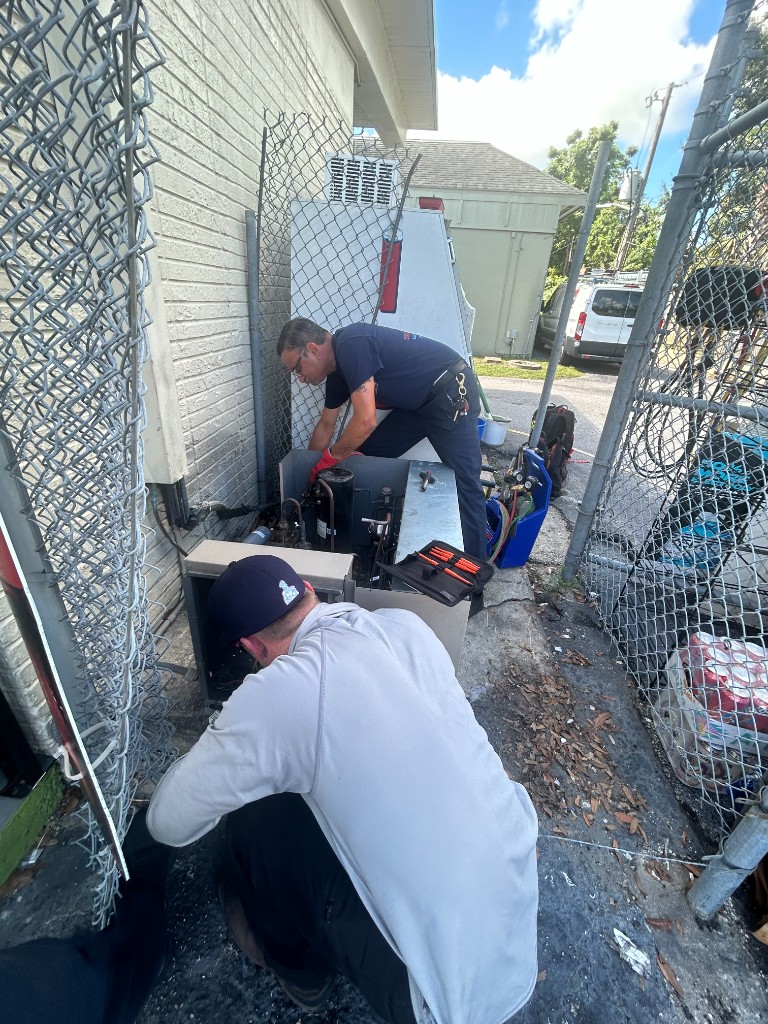

When Ice Production Stalls During Peak Service Hours
Your ice bins are nearly empty right in the middle of a packed Friday dinner service, and the machine simply cannot keep up with the demand. Diagnosing a commercial ice machine that harvests too slowly during busy shifts is a critical priority for any restaurant manager, especially when heading into the November pre-holiday restaurant rush. When the dining room and bar are at full capacity, running out of ice brings beverage service to a grinding halt and frustrates guests. Slow ice production is rarely just a matter of a machine struggling with high volume; instead, it almost always points to a specific mechanical restriction that is interrupting the normal refrigeration cycle.
Identifying the root cause of this delay is urgent. Allowing a commercial ice maker to continuously short-cycle or struggle through extended harvest phases puts immense strain on the compressor, eventually leading to complete equipment failure. Recognizing the operational differences between restricted airflow and restricted water flow is the crucial first step toward a permanent solution. For immediate assistance with your equipment, our commercial cooling and air conditioning services team provides reliable emergency repair services to keep your kitchen running smoothly.
Understanding the Mechanics of the Harvest Cycle
To understand why your machine is failing to produce enough ice, it helps to understand exactly how the system is designed to operate under normal conditions. A commercial ice maker operates in two primary phases: the freeze cycle, where water is circulated over a chilled evaporator plate to form ice, and the harvest cycle, where that formed ice is released into the storage bin. The transition between these two phases is a delicate mechanical process that relies on precise temperatures and timing.
When the ice reaches the correct thickness, the machine initiates the harvest cycle. It does this by opening a component called the hot gas bypass valve. This valve redirects hot refrigerant gas—which normally flows to the condenser to be cooled—straight back into the evaporator plate. This rapid influx of heat slightly warms the plate, melting a microscopic layer of the ice so that the entire slab can slide off and fall into the bin. Under ideal conditions, a complete freeze-and-harvest cycle takes roughly 15 to 20 minutes.
When mechanical issues interfere with this process, you will start noticing extended harvest cycle times. While a delay of just two or three minutes per cycle might sound insignificant, the math quickly compounds into a massive daily production deficit. Here is how a minor delay impacts your overall ice supply:
- Standard operation: A 20-minute cycle yields 3 batches per hour, or 72 batches in a 24-hour period.
- Delayed operation: A 25-minute cycle yields only 2.4 batches per hour, dropping your daily total to just 57 batches.
- The result: You lose 15 entire batches of ice per day, which is often the difference between easily surviving a dinner rush and completely running out of ice by 7:00 PM.
Understanding these mechanics makes it clear why investigating extended cycle times is essential for maintaining your restaurant's operational capacity.
Airflow Restrictions: The Impact of Dirty Condenser Coils
One of the most common culprits behind extended harvest cycle times is severely restricted airflow across the condenser coils. In a commercial refrigeration system, the condenser coil is responsible for dissipating the heat removed from the water during the freeze cycle. A fan blows ambient air over these coils to cool the hot refrigerant gas before it cycles back through the system.
However, commercial kitchens are harsh environments. The air is frequently filled with vaporized cooking grease, airborne flour, and general dust. When this debris gets pulled into the ice machine, it coats the aluminum fins of the condenser coil. This sticky coating acts as a highly effective thermal blanket, trapping the heat inside the coils instead of allowing it to dissipate into the room. The mechanical consequence of this restricted airflow is that the refrigerant never cools down properly, which throws off the delicate temperature balance required to initiate and complete the hot gas bypass phase of the harvest cycle.
This problem is exponentially worse in our region. With Winter Haven FL experiencing year-round heat and high ambient humidity, commercial kitchen refrigeration systems are already forced to work much harder to reject heat. The ambient air is often already saturated with moisture and heat, making the insulating effect of dirty coils devastating to the machine's efficiency. Routine, professional coil cleaning is absolutely critical to maintaining standard cycle times. If your machine is suffocating behind a wall of grease and dust, it simply cannot harvest ice on schedule.
Water Flow Issues: Identifying Failing Water Inlet Valves
If the airflow is clear but you are still experiencing extended harvest cycle times, the next diagnostic step is evaluating the water flow. The water inlet valve plays a dual role in many commercial ice machines. Not only does it refill the water reservoir (trough) for the next freeze cycle, but in many models, the influx of room-temperature water actually assists the harvest cycle by helping to warm the evaporator plate and break the suction of the ice.
When a water inlet valve begins to fail, it typically does so in one of two ways: it either fails to open completely, or the internal screen becomes clogged with sediment, reducing the water flow to a weak trickle. When inadequate water flow enters the machine during the harvest phase, the process takes significantly longer. The hot gas bypass valve has to do all the work of warming the plate without the thermal assistance of the incoming water, delaying the release of the ice.
Furthermore, if the valve is failing to refill the trough quickly enough, the machine is starved for water when the next freeze cycle attempts to begin. This results in thin, hollow ice cubes and further extends the overall time it takes to produce a usable batch of ice. Because testing and replacing internal components like a water inlet valve requires working with both live electrical voltage and pressurized water lines, this diagnostic work requires a licensed professional. Attempting to disassemble or bypass commercial water valves without proper training can result in severe leaks or electrical shorts that damage the machine's control board.
The Insulating Effect of Scale Buildup on Evaporator Plates
Beyond airflow and water flow, the physical condition of the evaporator plate itself heavily influences harvest times. The primary enemy of a smooth harvest cycle is mineral scale buildup. Municipal water supplies contain dissolved minerals, primarily calcium and magnesium. As water flows over the freezing evaporator plate, the pure water freezes first, leaving the heavier minerals behind to accumulate on the metal surface.
Over time, these hard water deposits create a stubborn, chalky layer of scale. This scale causes two distinct mechanical problems that lead to extended harvest cycle times:
- Thermal Insulation: Scale is a poor conductor of heat. When the hot gas bypass valve opens to warm the evaporator plate, the layer of scale acts as an insulator, preventing the heat from reaching the ice quickly. The machine has to stay in the harvest cycle much longer just to penetrate the mineral barrier.
- Physical Friction: A clean evaporator plate is incredibly smooth, allowing the ice slab to slide off effortlessly once it begins to melt. Scale buildup creates a rough, porous surface. The forming ice physically grips these microscopic ridges, refusing to drop into the bin even after the plate has warmed up.
If you notice a white, chalky residue inside your machine's food zone, or if you hear the machine repeatedly attempting to drop ice without success, scale buildup is likely contributing to the delay. Professional descaling using food-safe, nickel-safe chemical solutions is a mandatory part of routine commercial ice machine maintenance.
Compounding Factors: High Ambient Kitchen Temperatures
Internal mechanical issues do not exist in a vacuum; they are heavily influenced by the external environment of the commercial kitchen. ASHRAE guidelines for commercial kitchen ventilation emphasize the importance of managing ambient temperatures, but during a busy shift, the heat generated by ovens, fryers, and dishwashers can easily overwhelm the HVAC system. When a kitchen runs excessively hot, every refrigeration system in the room suffers.
High ambient heat forces the ice machine to run significantly longer just to pull the water down to freezing temperatures. The condenser must work overtime to reject heat into air that is already hot. When you combine a hot kitchen environment with internal issues like dirty coils or a failing water valve, you create a perfect storm for slow production. The machine is fighting the room temperature, fighting its own restricted airflow, and fighting a lack of water all at once.
This compounding effect is especially noticeable during the November pre-holiday restaurant rush, when kitchens are operating at maximum capacity for hours on end, generating peak heat loads while simultaneously demanding peak ice production. For a deeper dive into how environmental heat impacts your equipment, you can read our guide on why commercial ice machine production drops when the kitchen gets over 85 degrees. Managing room temperature is just as important as maintaining the machine itself.
Diagnosing the Root Cause: Airflow vs. Water Flow
For kitchen managers and restaurant owners, the goal is not to perform complex mechanical repairs, but to recognize the symptoms early enough to call for professional help before the machine breaks down completely. Understanding the visual and operational differences between airflow restrictions and water flow restrictions allows you to provide better information to your refrigeration technician.
Before assuming total mechanical failure, always check the external factors you can control. Ensure the ambient room temperature is within a reasonable range, verify that the machine has adequate clearance around its vents, and check if the external air filter (if equipped) is clogged. If those baseline factors are clear, the issue requires internal diagnostics. Testing hot gas bypass valves, evaluating refrigerant pressures, and replacing water inlet valves require specialized tools. Utilizing expert commercial refrigeration diagnostic capabilities ensures your restaurant pinpoints the exact mechanical failure quickly, avoiding costly downtime during your busiest shifts.
Signs of Airflow Restrictions
- Excessive heat radiating from the unit: If the area immediately surrounding the ice machine feels unusually hot, the condenser is likely failing to reject heat efficiently.
- Visibly clogged condenser fins: Shining a flashlight into the intake vents may reveal a thick mat of dust, grease, or flour blocking the aluminum fins.
- Longer freeze cycles preceding the harvest: Airflow issues typically extend both the freeze cycle and the harvest cycle, as the machine struggles to manage temperatures across the board.
Signs of Water Flow Restrictions
- Thin or hollow ice cubes: If the valve is not letting enough water into the trough, the machine will freeze what little water it has, resulting in small, brittle ice.
- Weak water flow into the trough: During the refill phase, the water should flow vigorously. A weak trickle indicates a clogged screen or failing valve solenoid.
- Machine stuck in harvest mode without dropping ice: If the machine sounds like it is trying to harvest but the ice remains firmly attached to the plate, inadequate water flow may be failing to assist the release.
To help visualize the differences between these common failures, review the diagnostic comparison below. When you spot these symptoms, reaching out for emergency repair in Winter Haven is the safest way to protect your equipment.
| Primary Symptom | Likely Airflow Cause | Likely Water Flow Cause | Recommended Action |
|---|---|---|---|
| Excessive heat from unit vents | Clogged condenser coils | Not applicable | Schedule professional coil cleaning |
| Thin, hollow, or misshapen ice | Not applicable | Failing inlet valve or clogged filter | Request water line and valve diagnostics |
| Ice won't release from plate | Hot gas bypass failing due to heat buildup | Lack of harvest-assist water flow | Professional inspection of both systems |
| Extended harvest cycle times | Poor heat transfer at condenser | Slow trough refill delaying cycle | Full system diagnostic and maintenance |

Common Questions About Slow Commercial Ice Production
Why is my commercial ice machine taking so long to make ice?
Your commercial ice machine is likely suffering from restricted airflow, restricted water flow, or high ambient kitchen temperatures. When condenser coils become clogged with grease and dust, the machine cannot reject heat efficiently, which drastically extends the time required to freeze a batch of ice. Additionally, failing water inlet valves or severe scale buildup on the evaporator plate can stall the machine during the harvest phase.
How long should an ice machine harvest cycle take?
A standard commercial ice machine harvest cycle should take roughly 15 to 20 minutes from the start of the freeze to the moment the ice drops into the bin. If you notice extended harvest cycle times pushing past 25 or 30 minutes, the machine is experiencing a mechanical restriction. Consistently long cycles require professional diagnostics to prevent compressor failure.
What causes an ice machine to not drop ice?
An ice machine will fail to drop ice if the hot gas bypass valve malfunctions, if there is severe scale buildup acting as an insulator, or if the water inlet valve fails to provide harvest-assist water. Scale buildup creates a rough surface that the ice physically grips, preventing it from sliding off even when the plate warms up. Professional descaling is usually required to correct this.
How do you test an ice machine water inlet valve?
Testing an ice machine water inlet valve requires checking the electrical continuity of the solenoid coil with a multimeter and verifying the incoming water pressure. Because this involves working near live voltage and pressurized water lines, it must be performed by a licensed refrigeration technician. Attempting DIY repairs on internal water valves can lead to severe electrical damage to the control board.
Can high ambient kitchen temperatures cause an ice machine to stop harvesting?
Yes, excessively high ambient kitchen temperatures can absolutely cause an ice machine to stop harvesting efficiently. When the air surrounding the machine is too hot, the condenser cannot properly dissipate heat from the refrigerant gas. This prevents the system from achieving the precise temperature shifts needed to trigger and complete the hot gas bypass phase.
How often should commercial condenser coils be cleaned to prevent slow ice production?
Commercial condenser coils should be professionally cleaned at least twice a year, though high-volume kitchens with fryers may require quarterly cleaning. Airborne grease and flour quickly coat the aluminum fins, creating an insulating blanket that suffocates the machine. Staying on a proactive maintenance schedule is the best way to ensure consistent ice production during peak shifts.
Protecting Your Ice Supply Before the Next Peak Shift
Slow harvest cycles are a diagnosable mechanical issue, not an inevitable consequence of high customer demand. Whether your system is suffocating from dirty condenser coils, struggling with a failing water inlet valve, or fighting against thick mineral scale, these restrictions can be resolved. Addressing airflow and water flow issues proactively is the only way to ensure your kitchen remains fully operational when the dining room is packed.
As you prepare for your next busy season in Winter Haven FL, do not wait for your ice bins to run completely dry before taking action. Scheduling a professional inspection and routine maintenance will restore your equipment's efficiency and protect your compressor from unnecessary strain. Contact our expert team today to schedule a comprehensive diagnostic visit and learn more about our commercial cooling solutions.