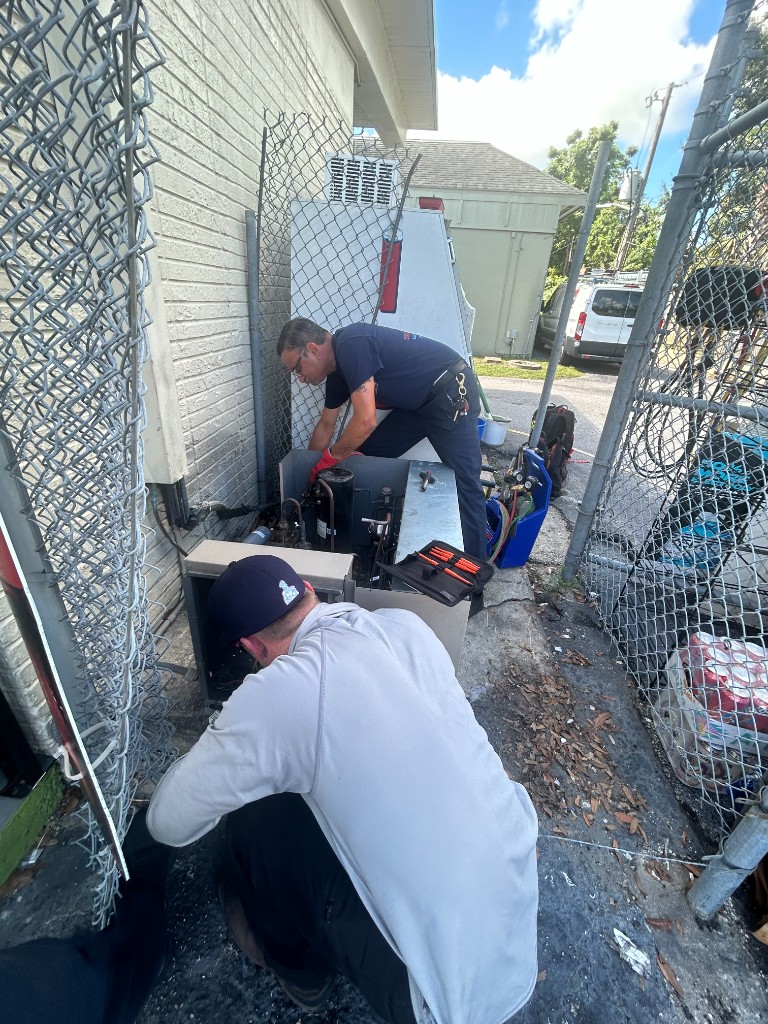

When Seasonal Drafts Threaten Your Store's Display Cases
November is right around the corner, bringing the busiest shopping weeks of the year and a sudden shift in indoor ambient conditions. Protecting your grocery store open air coolers from drafts as weather changes is critical when front doors stay open longer to accommodate the rush. As late fall approaches, grocery store owners and facility managers face a unique set of challenges. Increased November holiday foot traffic means automatic doors are constantly cycling, introducing erratic, unconditioned cross-drafts directly into the aisles.
These sudden drafts can easily break the delicate aerodynamic balance of open-air display coolers, compromising highly perishable inventory in your dairy, meat, and produce sections. When a blast of ambient air hits the display case, it forces the equipment to work significantly harder to maintain safe product temperatures. As a facility manager, you must determine if the sudden influx of irregular cooler temperature alerts requires simple environmental adjustments or if it is time to invest in professional commercial cooling and air conditioning systems diagnostics. At Integrity Refrigeration & AC, our team consistently finds that addressing the root cause early, often through routine refrigeration maintenance, is the most effective way to protect your bottom line before the holiday rush peaks.
The Invisible Barrier: How Air Curtains Function
To understand why seasonal drafts are so destructive to your equipment, it is important to understand the physics behind how these units operate. Open-air display coolers do not have physical glass doors to hold the cold in; instead, they rely entirely on a highly engineered, laminar flow of air, commonly known as an air curtain. This continuous stream of cold air acts as an invisible shield, keeping refrigerated air securely inside the case while pushing ambient store air away.
When this system functions correctly, the air curtain creates a perfect aerodynamic seal. However, this seal is incredibly sensitive to external environmental factors. Here is exactly how the process works and where it becomes vulnerable:
- Discharge and Flow: Cold air is pushed through a honeycomb-like discharge grille at the top of the display case, creating a smooth, non-turbulent (laminar) sheet of air that drops straight down across the face of the products.
- The Return Process: This air is then caught by a return grille at the bottom of the case, pulled back over the evaporator coils to be re-cooled, and cycled back to the top.
- The Draft Threshold: This delicate cycle operates optimally only in stable ambient conditions. When cross-drafts from front doors or ceiling vents exceed just 40 feet per minute, the laminar flow is violently disrupted.
- The Break and Overcompensation: Once the curtain breaks, the cold air spills out into the shopping aisle (often making customers uncomfortably cold), and warm ambient air gets sucked into the return grille. The unit then works overtime to cool this warm store air, inevitably triggering irregular cooler temperature alerts.
Without the protection of a stable air curtain, the refrigeration compressor must run continuously to keep up with the heat load. This not only spikes energy consumption but also accelerates wear and tear on critical mechanical components just when you need them to be most reliable for the upcoming holiday rush.

The Impact of Ambient Humidity Shifts on Evaporator Coils
The Problem: The performance of your open-air display coolers is directly tied to the overall climate inside your store. ASHRAE (the American Society of Heating, Refrigerating and Air-Conditioning Engineers) guidelines strongly recommend maintaining grocery store ambient conditions around 75 degrees Fahrenheit and 55 percent relative humidity. When seasonal transitions cause sudden humidity spikes inside the building, the excess moisture interacts violently with the open-air cooler's freezing components.
The Cause: This is especially prevalent during Florida's notorious "false fall" weather patterns. During this time of year, the outside air temperature might drop slightly, but the humidity remains stubbornly high. Because the air is cooler, your store's main HVAC system doesn't need to run as frequently to reach the target thermostat temperature. However, because the AC isn't running as much, it removes far less moisture from the indoor air. At Integrity Refrigeration & AC, our specialized knowledge of exactly how local Florida weather patterns impact grocery store equipment allows us to spot this exact mismatch. We frequently see display cases struggling because the store's ambient humidity has spiked, turning the open-air cooler into a giant, unintended dehumidifier. The excess moisture gets pulled into the cooler's return grille and immediately condensates on the freezing evaporator coils.
The Solution: This rapid condensation quickly turns to solid ice, choking off airflow entirely and overwhelming the unit. Understanding this interconnected relationship between your store's main rooftop HVAC system and the display coolers on the floor is vital. Managing the ambient humidity through proper HVAC calibration is the first line of defense against irregular cooler temperature alerts. Facility managers should focus on transitioning commercial refrigeration settings for Florida's false fall by ensuring the primary AC system is actively dehumidifying the space, even when the sensible temperature feels comfortable.
Diagnosing the Issue: Environmental Draft vs. Mechanical Failure
When our dispatch team at Integrity Refrigeration & AC takes a call for a display case warmer alarm, the immediate reaction from store management is often to assume the equipment is completely broken. However, not all irregular cooler temperature alerts mean the compressor has seized or the refrigerant lines have developed a leak. In many cases we investigate, the refrigeration cycle is working perfectly, but it is being defeated by environmental factors. Facility managers should first check for blocked return air grilles, overstocked shelves that disrupt the internal airflow, and the proximity of the cooler to exterior doors or aggressively blowing HVAC ceiling vents.
If ambient conditions are stable, the air curtain is completely unobstructed, and temperatures still remain dangerously high, the issue is likely mechanical. At this stage, professional diagnostics are required to test the mechanical integrity of the refrigeration cycle. Knowing the difference can save you from unnecessary panic and help you secure emergency repair services only when truly needed.
| Diagnostic Factor | Environmental Draft Disruption | Mechanical Refrigeration Failure |
|---|---|---|
| Temperature Timing | Fluctuates heavily during peak store hours and recovers overnight. | Consistently high regardless of store traffic or time of day. |
| Condensation Location | Forms primarily on the outer edges, canopy, or price tag moldings. | Ice builds up directly on the internal evaporator coils. |
| Airflow Sensations | Noticeable cross-drafts from front doors or ceiling vents hitting the case. | Weak, warm, or non-existent air coming from the discharge grille. |
| Audible Signs | Normal operating sounds, though the compressor may run longer. | Unusual grinding, hissing, or silence from condenser and evaporator fans. |
Signs of Environmental Disruption
Our technicians often point out to store managers that environmental disruptions are directly tied to the layout and traffic of the store. You will typically notice condensation forming primarily on the outer edges of the display, such as the handrails or the top canopy, indicating that warm air is colliding with the cold air curtain. Temperature fluctuations that align perfectly with peak store hours are a dead giveaway that door drafts are the culprit. If you stand in front of the case and can feel a noticeable breeze from the front doors or a ceiling vent hitting the back of your neck, the air curtain is being compromised.
Signs of Mechanical Failure
Mechanical failures behave differently. In the field, our team looks for consistent, stubbornly high temperatures regardless of whether the store is packed with shoppers or completely empty. Unusual noises, such as a grinding fan motor or a violently vibrating compressor, point to hardware issues. Furthermore, if you notice solid ice buildup directly on the evaporator coils despite the unit going through its programmed defrost cycles, the system is failing to shed moisture and requires professional mechanical intervention.
Managing Store Traffic and Door Operations
Heavy November holiday foot traffic naturally increases the frequency and duration of exterior doors remaining wide open. Every time those doors slide apart, a massive volume of unconditioned air enters the building, changing the pressure and temperature dynamics of the entire store. Providing actionable strategies to mitigate these drafts during the busiest times of the year is essential for protecting your perishable inventory.
Consider implementing the following operational strategies our team frequently recommends to shield your equipment from seasonal traffic:
- Install Entry Vestibules: Creating a double-door vestibule system acts as an airlock, significantly reducing the volume of unconditioned air entering the store and buffering the wind pressure.
- Utilize Entry Air Curtains: Installing heated or unheated air curtains directly above the main entrance doors can help block outside drafts from penetrating deep into the aisles.
- Optimize Store Layouts: Merchandising displays and shelving units should be strategically placed to act as windbreaks. Ensure that sensitive open-air coolers are never placed in direct, straight-line alignment with the main entrance or exit pathways.
- Deploy Night Curtains: Using thermal night curtains or covers during off-hours is one of the most effective ways to help the equipment recover. It traps the cold air, drastically reduces energy consumption, and allows the system to maintain temperature stability after a grueling, busy day.
- Monitor HVAC Vent Direction: Ensure that ceiling supply registers from the main AC system are directed down the aisles, not blowing directly into the face of your display coolers.
Proactive Steps to Protect Your Display Cases
Taking proactive measures before the heavy November holiday foot traffic begins is the best way to secure your equipment against sudden seasonal changes. Facility managers should treat their refrigeration and HVAC as one interconnected ecosystem. Taking these steps early prevents minor environmental disruptions from escalating into major, costly inventory losses.
- Monitor the Store's Ambient HVAC: Ensure your building's primary HVAC system is fully operational and that ambient humidity and temperature stay consistently within ASHRAE recommended ranges (75°F / 55% RH). If the store is too humid, the coolers will suffer.
- Train Staff on Load Limits: Educate your stocking team to respect the physical load limits of open-air coolers. Products must never be stacked so high or deep that they block the discharge honeycomb at the top or the return air grilles at the base. Blocked grilles instantly destroy the air curtain.
- Implement Daily Visual Checks: Train managers to look for early signs of trouble, such as condensation on the price tags or cold air spilling heavily into the aisles, which indicates a broken curtain.
- Schedule Professional Assessments: Bring in commercial refrigeration experts—like our dedicated crew at Integrity Refrigeration & AC—to verify that the laminar flow is calibrated correctly, defrost timers are accurate, and that evaporator coils are thoroughly cleaned. Professional equipment inspection and testing ensures the hardware is ready to handle the increased load.
Frequently Asked Questions About Open-Air Coolers
How do open air coolers work?
The short answer is that they use an invisible air curtain to keep products cold. Open air coolers push a continuous, smooth laminar flow of refrigerated air from the top canopy down to a return grille at the bottom. This creates an aerodynamic shield that traps the cold air inside the case while pushing warm, ambient store air away. As long as this curtain remains unbroken by drafts, the products stay safely chilled.
Why is my open display fridge not cooling?
If you notice warm temperatures, it usually means the air curtain has been disrupted or the coils are frozen. Cross-drafts from exterior doors or ceiling vents can blow the cold air out of the case, allowing warm air in. Alternatively, if the store is too humid, excess moisture can freeze on the evaporator coils, blocking the airflow entirely. Always check for blocked grilles and drafts before assuming the compressor is broken.
What temperature should an open display fridge be?
The ideal temperature depends heavily on the specific products being stored. Generally, dairy and packaged deli meats require temperatures between 36°F and 40°F to remain safe and fresh. Fresh meat displays often run slightly colder, closer to 32°F to 34°F, while produce cases might run slightly warmer. Maintaining these precise temperatures requires the store's ambient environment to remain stable.
How does ambient temperature affect commercial refrigeration?
Many store owners don't realize that open display cases are highly dependent on the room around them. These units are engineered to operate in specific conditions, typically around 75°F and 55% relative humidity. If the ambient store temperature or humidity rises above these levels, the cooler has to work significantly harder to maintain its internal temperature, leading to increased wear, higher energy bills, and irregular cooler temperature alerts.
Can heavy foot traffic cause cooler condensation?
Yes, increased foot traffic directly contributes to unwanted condensation. When front doors constantly open and close, they let in waves of warm, humid outside air. Shoppers also bring in body heat and moisture. When this humid air hits the freezing components of your display case, it rapidly condensates into water droplets on the grilles, glass, and eventually freezes on the internal coils.
How do cross-drafts trigger irregular cooler temperature alerts?
Cross-drafts physically push the protective cold air out of the display case. When air moving faster than 40 feet per minute hits the case, it shatters the laminar flow. The unit's sensors immediately detect the warm ambient air that rushes in to fill the void. The system then runs continuously in a desperate attempt to cool the unconditioned air, eventually triggering a high-temperature alarm when it fails to keep up.
Secure Your Refrigeration Ahead of the Holiday Rush
Protecting highly perishable inventory requires a technical understanding of how air curtains function under intense environmental stress. By proactively managing cross-drafts from heavy November holiday foot traffic and maintaining proper ambient humidity levels, facility managers can keep their critical equipment running efficiently all season long. Treating your store's HVAC and refrigeration as an interconnected system is the key to preventing product loss.
If your grocery store in the Winter Haven area is experiencing persistent irregular cooler temperature alerts, or if you are constantly fighting condensation on your display cases, a professional assessment can provide absolute peace of mind. Don't wait for a total system failure during the busiest shopping week of the year. Schedule a comprehensive inspection with Integrity Refrigeration & AC today to ensure your commercial refrigeration systems are perfectly calibrated and fortified for the changing season.